When the Street Feels Unsafe: Why Lighting and Maintenance Matter
How small signs of neglect in urban environment, like broken pavements, dark streets, and abandoned buildings changes residents behaviour.
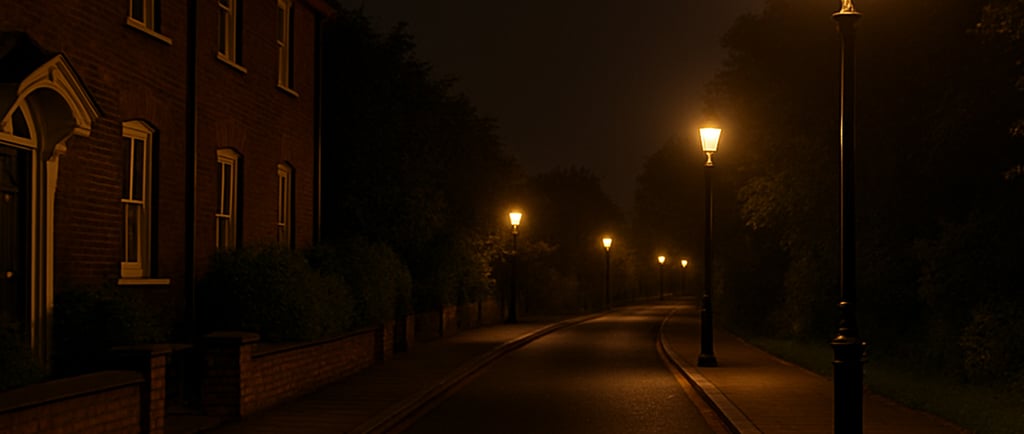
Urban planner Anastasia Loukaitou-Sideris once asked a simple question: “Is it safe to walk?” Her research, published in the Journal of Planning Literature (2006), explored how features like broken pavements, dark streets, and abandoned buildings don’t just make neighbourhoods look neglected; they make people feel unsafe. That feeling, in turn, changes behaviour. People walk less, avoid certain routes, and withdraw from public space.
Loukaitou-Sideris found that fear often arises from what she called “environmental incivilities”: deteriorated buildings, graffiti, litter, poor lighting, and empty lots. These aren’t crimes in themselves, but they act as signals and cues that “no one cares or is watching.” In planning terms, this is the “broken windows” effect: visible neglect fuels both fear and actual risk.
At Safest Way, this research resonates strongly. Our app uses detailed spatial data, including built-up environment, past crime records, and lighting coverage to help users find routes that feel and are safer. A poorly lit shortcut behind vacant buildings may shave two minutes off your walk, but if the area has a record of assaults or low visibility, the app will suggest an alternative through a better-maintained, busier street.
We’re not just mapping where crimes have happened. We’re mapping how safety is perceived and experienced. As Loukaitou-Sideris’s work reminds us, the boundary between “unsafe” and “unwelcoming” is thin, and both shape whether people walk, linger, or avoid a place entirely.
By combining data on lighting, urban condition, and recorded incidents, Safest Way helps people navigate cities with a little more confidence, and nudges planners, too, to see safety not just as policing, but as good design and upkeep.
Download the app, walk smarter, and share your feedback. We’re building this together.




The map to keep you safe.
Privacy policy
Terms & Conditions
Say hello@safestway.co.uk
And connect with us on social media!
Subscribe to our newsletter!
Copyright (C) 2026 Safest Way. All rights reserved.