Women Are Changing Their Routes (Because They Have To)
When the clocks go back, women don’t just adjust their schedules, they change their routes, habits, and freedom of movement. Drawing on BBC reporting and national data, we examine how fear reshapes everyday exercise, the hidden “safety tax” women pay, and why optimising cities for speed instead of safety misses the point.
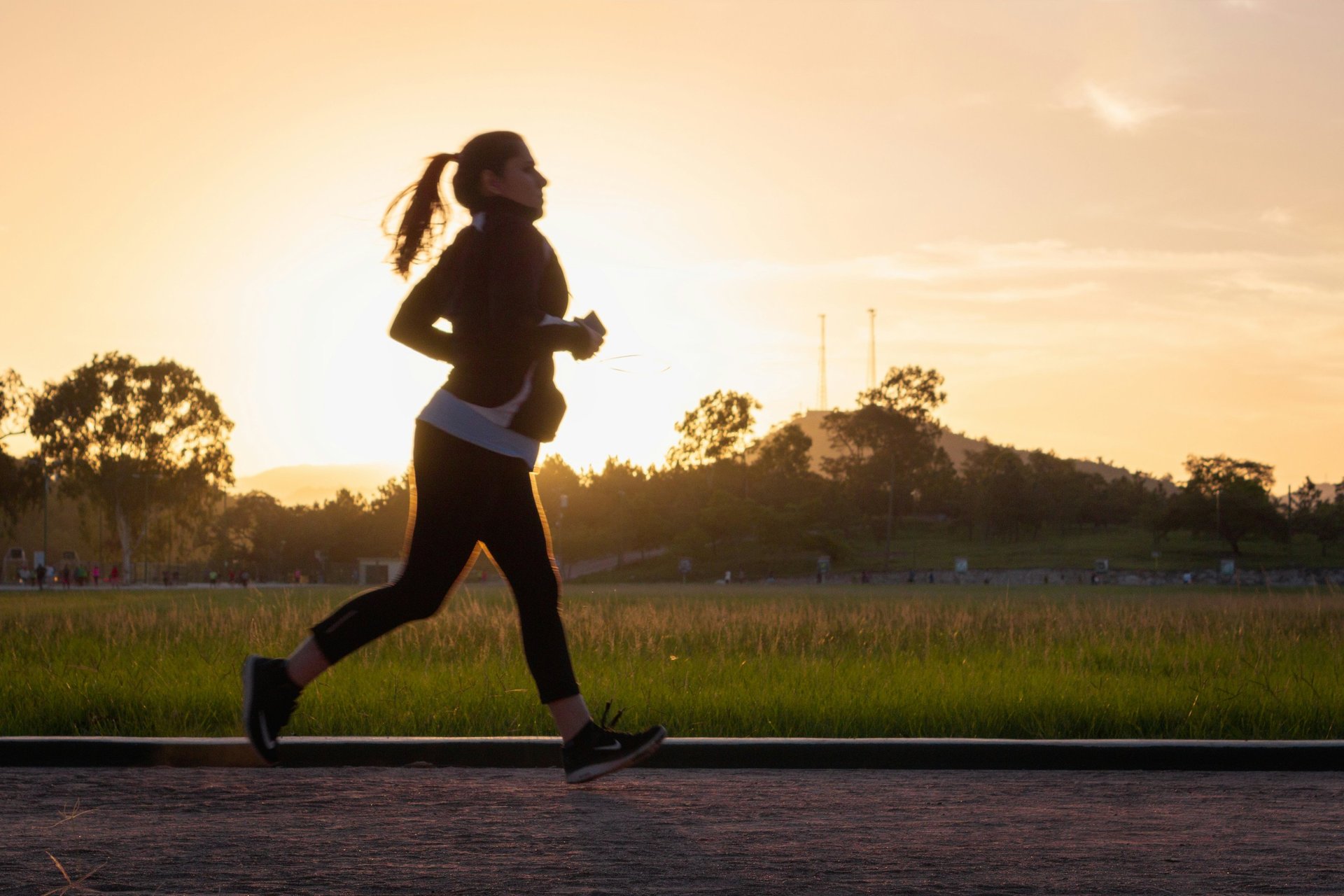
Across the UK, women are quietly rewriting their exercise routines every winter. Not to chase better times or hit new goals, but because the streets get dark, and dark streets carry risk.
Recent BBC reporting from Manchester (https://www.bbc.co.uk/news/articles/cz7wq2ny10vo), Jersey (https://www.bbc.co.uk/news/articles/cgmx21xexkno), and Wiltshire (https://www.bbc.co.uk/news/articles/cp8yw5d0d88o) tells the same story in different postcodes: when the clocks go back, women's behaviour changes. According to Sport England's This Girl Can campaign, 72% of women alter their outdoor activity routines in winter. Different routes, different hours, running in groups rather than alone – or not going out at all.
What women are actually experiencing
In Manchester, runners described feeling 'exposed' and 'vulnerable' exercising after dark. In Jersey, over 100 runners wore lights on a night run specifically to raise awareness of harassment and intimidation. In Wiltshire, a woman described being followed by a car with its headlights off. She said it was the most frightened she had ever felt while running.
Police in both Jersey and Wiltshire advised women to stick to well-lit, familiar routes. Running clubs are reporting a spike in winter membership – because running in a group feels safer than running alone.
Women are self-regulating their movement to manage risk. That sentence is worth sitting with.
The safety tax
Choosing a longer route. Avoiding the park. Cancelling the evening session. Only heading out when a friend is free.
None of these are minor inconveniences. They are a tax – paid in time, flexibility, spontaneity, and peace of mind. And it's a tax that falls almost entirely on women.
Campaigns like Let's Lift the Curfew are doing important work raising awareness. But awareness doesn't redesign streets, and it doesn't help you decide whether the shortcut through the industrial estate is worth it tonight.
That's where data comes in.
Most mapping tools optimise for speed, not safety
A dark alley and a well-lit high street look identical to Google Maps if the distance is the same. They are not the same.
Safer movement through cities depends on things like street lighting coverage, CCTV presence, past crime patterns, and whether a route passes through isolated stretches or active, populated areas. Most tools ignore all of this.
Safest Way was built to surface exactly this information – and translate it into practical route choices.
What we'd recommend for runners
Running groups and police are already giving sensible advice: vary your routes, favour well-lit streets, run with others when you can, stay alert in unfamiliar areas. All of that still stands.
But planning matters too. Before heading out – especially somewhere new – you can use Safest Way to check lighting coverage along your route, see where CCTV is present, understand local crime patterns, and compare alternatives rather than just defaulting to the shortest path.
Technology can't eliminate risk. It can't predict what any individual will do. Vigilance still matters.
But better information makes better decisions easier.
From awareness to action
The BBC stories make one thing very clear: women aren't being irrational. They're responding to real experiences with entirely rational behaviour.
The answer isn't to keep telling women to 'be careful'. It's to give everyone – runners, walkers, night-shift workers, anyone navigating the city after dark – tools that reduce uncertainty and make the safer choice the obvious one.
If you're heading out after dark, you shouldn't have to guess which way home feels safer.
Download Safest Way app, walk smarter, and share your feedback. We’re building this together.




Photo by McCarthy Beckan on Unsplash
The map to keep you safe.
Privacy policy
Terms & Conditions
Say hello@safestway.co.uk
And connect with us on social media!
Subscribe to our newsletter!
Copyright (C) 2026 Safest Way. All rights reserved.